
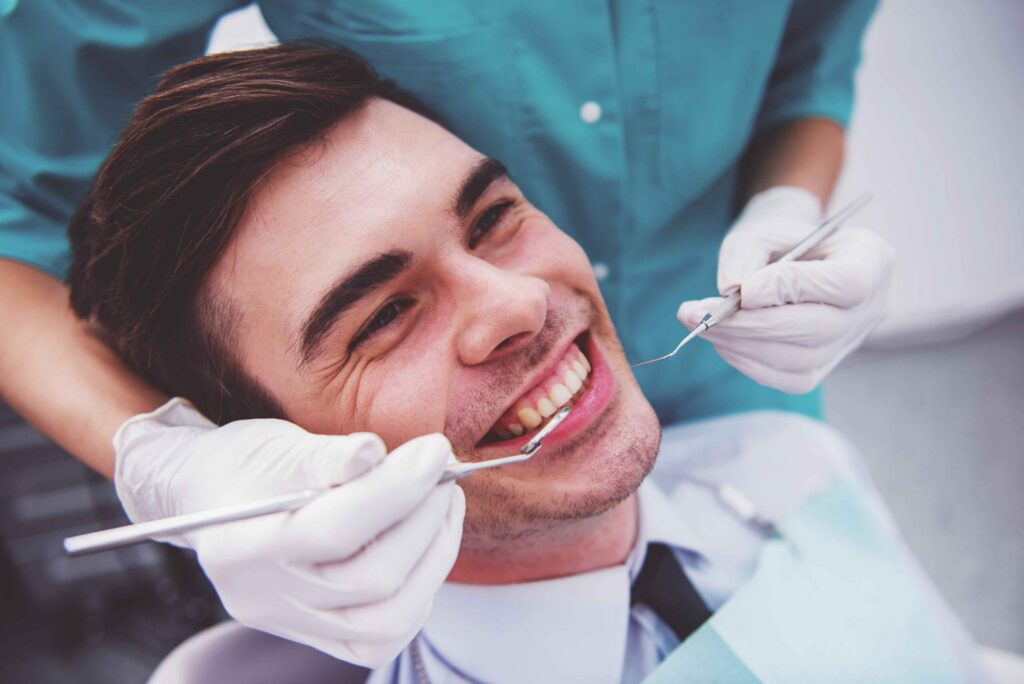
Dental bridges Aurora patients consider are fixed restorations used to replace one or more missing teeth. A bridge can help restore chewing, speech, smile appearance, and support for nearby teeth when the mouth is healthy enough for treatment. In Aurora, a dentist may recommend a dental bridge after checking the gums, bite, surrounding teeth, and the space left by tooth loss. Bridges are often compared with dentures because both can replace teeth, but they work in different ways.
Why Replacing a Missing Tooth Matters
A missing tooth can change more than the look of a smile. It can affect how you chew, how nearby teeth meet, and how confident you feel during daily conversations. For patients in Aurora, the space left behind may also make it easier for food to collect or for nearby teeth to shift over time.
Village Green Dental Center, P.C. helps patients understand whether dental bridges in Aurora, IL treatment may be a practical option after tooth loss. A bridge is designed to fill a gap with an artificial tooth that is supported by nearby teeth or other dental support. It is fixed in place, which means it is not removed each night like many dentures.
The right treatment depends on your oral health, the number of missing teeth, gum condition, bite pressure, and the strength of nearby teeth. A dental exam helps decide whether a bridge may be suitable.
How a Dental Bridge Works
A dental bridge replaces a missing tooth by spanning the empty space. The replacement tooth is called a pontic. It is held in place by support on one or both sides of the gap.
In many traditional bridges, nearby teeth are prepared for crowns. These crowns support the replacement tooth between them. This is why dental crowns Aurora and bridge treatment are often connected. A crown covers a support tooth, while the bridge fills the missing space.
A bridge is custom-made to fit your mouth. The goal is to restore the shape of the missing tooth area, help with chewing, and make the bite feel balanced. The bridge also helps reduce the empty space where food may collect.
Not every missing tooth space is right for a bridge. The support teeth need to be strong enough, the gums should be healthy enough, and the bite must be considered. Your dentist may also discuss other options if a bridge is not the best fit.
Why Patients in Aurora Compare Bridges and Dentures
Patients often compare dental bridges Aurora options with dentures Aurora options because both can replace missing teeth. The main difference is how they stay in the mouth.
A bridge is fixed. Once placed, it stays in position and is cleaned in the mouth. Many patients like that it feels more stable during meals and conversation. A denture is removable. It may replace several teeth or a full arch of teeth and is taken out for cleaning.
A bridge may be helpful when only one tooth or a small number of teeth are missing and the nearby teeth can support the restoration. Dentures may be considered when several teeth are missing or when a removable option makes more sense for the patient’s oral health.
Neither option is automatically better for every person. A patient missing one tooth has different needs than someone missing several teeth. A dentist can explain what may work based on the mouth as a whole.
Signs a Bridge May Be Worth Discussing
You may want to ask about a bridge if you have a gap from a missing tooth and want a fixed option. Some patients notice the space most when eating. Others notice changes in speech, tooth position, or smile appearance.
A bridge may be discussed when:
- One or more teeth are missing in the same area
- Nearby teeth are healthy enough to provide support
- The gums around the area are stable
- The bite can be managed safely
- The patient wants an option that is not removed daily
A bridge may not be the right choice if nearby teeth are weak, gum disease is active, or the space requires another type of treatment. This is why the exam matters. The dentist needs to look beyond the gap and study the surrounding teeth and gum support.
How Missing Teeth Can Affect Nearby Teeth
Teeth depend on their neighbours for support and balance. When one tooth is missing, nearby teeth may slowly tilt or shift into the open space. The tooth above or below the gap may also move because it no longer meets an opposing tooth in the same way.
These changes do not always happen quickly, but they can affect the bite over time. A shifted bite may make some teeth carry more pressure than they should. This can lead to wear, discomfort, or future restorative needs.
Replacing a missing tooth may help maintain spacing and support chewing patterns. A bridge can also make it easier to chew on both sides of the mouth instead of avoiding the gap. For patients in Aurora, this can make daily meals feel more natural again.
What Makes a Bridge Different From a Crown
A crown and a bridge are related, but they are not the same. A crown covers one tooth to protect or restore it. A bridge replaces a missing tooth by using support from nearby teeth or other structures.
If you have a cracked tooth, your dentist may recommend a crown. If that tooth is already missing, a bridge may be discussed as one possible replacement. Some bridges use crowns as part of their design, which is why both treatments can appear in the same plan.
For local patients searching for a dentist in Aurora, IL provider, understanding this difference can make treatment conversations easier. The question is not only what restoration is being used. The question is what problem needs to be solved.
Everyday Benefits of a Fixed Tooth Replacement
A dental bridge may offer practical benefits when it is the right fit for the mouth.
It may help restore chewing in the missing tooth area.
It can support clearer speech if the missing tooth affected pronunciation.
It may help nearby teeth stay in better position.
It can improve the appearance of a gap in the smile.
It may feel more stable than a removable option for some patients.
These benefits depend on the design of the bridge and the patient’s oral health. A bridge still needs careful cleaning, especially around the gumline and under the replacement tooth. Good home care and dental visits help protect the support teeth.
How to Care for a Dental Bridge
A bridge needs daily cleaning just like natural teeth. Brushing along the gumline helps remove plaque from the edges of the crowns and replacement tooth. Flossing also matters, but cleaning under a bridge may require a floss threader, special floss, or another cleaning aid your dentist recommends.
Food and plaque can collect around a bridge if cleaning is skipped. Over time, this may increase the risk of gum inflammation or decay on the support teeth. The bridge itself cannot get a cavity, but the natural teeth holding it can.
Routine exams allow your dentist to check the fit, bite, gum tissue, and support teeth. If you grind or clench, your dentist may discuss ways to reduce pressure on the bridge. Long-term success depends on both the restoration and how well the mouth is maintained.
What Usually Happens During a Bridge Appointment
The process usually starts with an exam. Your dentist may check the missing tooth space, nearby teeth, gums, bite, and jaw comfort. X-rays may be recommended to evaluate the support teeth and bone around the area.
If a bridge is suitable, the support teeth may be shaped for crowns. Impressions or scans may be taken so the bridge can be made to fit your mouth. A temporary bridge may be placed while the final bridge is being prepared. Your dentist may explain how to eat and clean around the temporary restoration.
At the placement visit, the bridge is checked for fit, bite, and appearance. Adjustments may be made before it is secured. After placement, patients are usually shown how to clean around and under the bridge.
Local Patient Review
“I had a missing tooth for a while and was unsure what my choices were. The explanation helped me understand how a bridge worked and what daily care would involve.”
A Clearer Way to Replace a Missing Tooth
A missing tooth can affect comfort, chewing, and the way nearby teeth share pressure. For patients in Aurora comparing fixed and removable options, Village Green Dental Center, P.C. can help explain whether a bridge may fit your oral health needs and daily routine.
Frequently Asked Questions
What is a dental bridge used for?
A dental bridge is used to replace one or more missing teeth in the same area. It helps fill the space and may improve chewing, speech, and support for nearby teeth.
Is a dental bridge removable?
Most traditional bridges are fixed in place and are not removed at night. They are cleaned in the mouth with brushing, flossing aids, and regular dental visits.
How is a bridge different from dentures?
A bridge is usually fixed, while dentures are often removable. Dentures may be better for several missing teeth, while a bridge may fit smaller spaces when nearby teeth can support it.
Do I need crowns for a dental bridge?
Many bridges use crowns on nearby teeth to support the replacement tooth. Your dentist can explain whether your support teeth are strong enough for this type of design.
Can a bridge help with chewing?
A bridge may help restore chewing in the area of a missing tooth. The result depends on bite balance, gum health, support teeth, and how well the bridge fits.
How do I clean under a dental bridge?
You may need a floss threader, bridge floss, or another cleaning aid to reach under the replacement tooth. Your dental team can show you the best method for your bridge.
How do I know if a bridge is right for me?
A dental exam is needed to check the gap, gums, bite, and nearby teeth. Your dentist may compare a bridge with dentures or other options based on your needs.
A Clearer Way to Replace a Missing Tooth
A missing tooth can affect comfort, chewing, and the way nearby teeth share pressure. For patients in Aurora comparing fixed and removable options, Village Green Dental Center, P.C. can help explain whether a bridge may fit your oral health needs and daily routine.