
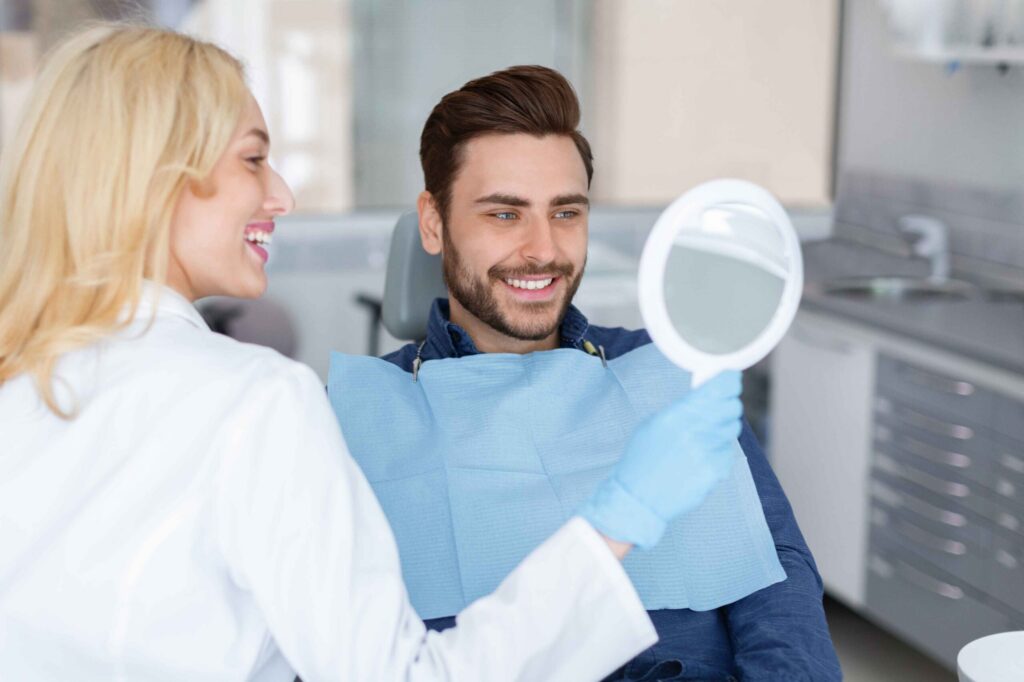
Veneers Aurora patients consider are thin coverings placed on the front of selected teeth to improve concerns such as chips, worn edges, uneven shape, small gaps, or deep staining. Veneers may be an option when teeth and gums are healthy enough and the concern is mostly cosmetic. In Aurora, a dentist can evaluate tooth structure, bite, enamel, gum health, and smile goals before recommending veneers. They are different from whitening or braces because veneers change tooth appearance, not tooth position.
Why Patients Ask About Veneers
Small changes in front teeth can affect how a smile feels in everyday life. A chipped edge, uneven tooth shape, dark stain, or narrow gap may not affect chewing much, but it can still make someone feel aware of their teeth while talking or smiling.
For patients in Aurora, Veneers in Aurora, IL treatment may be discussed when cosmetic concerns involve the visible front surfaces of teeth. Village Green Dental Center, P.C. helps patients understand whether veneers may fit their oral health, tooth structure, and appearance goals.
Veneers are not for every patient. They work best when the teeth and gums are healthy enough, bite pressure is controlled, and the patient understands the long-term care involved. A cosmetic dental visit should begin with evaluation, not assumptions.
What Veneers Are Designed to Do
Veneers are thin shells that cover the front surfaces of teeth. They are often used on teeth that show when a person smiles. Depending on the case, they may improve tooth colour, shape, length, width, or surface appearance.
A veneer does not replace the entire tooth. It covers the visible front portion and is bonded to the natural tooth. This means the health and strength of the tooth underneath still matter.
Patients often ask about veneers for chipped teeth, worn edges, small gaps, uneven tooth size, or stains that do not respond well to whitening. Veneers may help create a more even appearance, but they need careful planning so they fit the bite and smile naturally.
Veneers, Whitening, and Braces Are Not the Same
Patients comparing Veneers Aurora, Teeth Whitening Aurora, and braces Aurora should understand what each option can and cannot do.
Whitening changes the colour of natural tooth enamel. It may help with yellowing or surface stains, but it does not change tooth shape, size, gaps, or crookedness. Braces move teeth over time. They may help with crowding, spacing, rotations, and bite concerns, but they do not change tooth colour.
Veneers can change the appearance of selected teeth by covering the front surface. They may be useful when the concern involves shape and colour together. For example, a tooth that is chipped and deeply stained may not be fully addressed with whitening alone.
The best choice depends on the main concern. If teeth are crowded, orthodontic care may be discussed first. If the teeth are well aligned but stained, whitening may be considered. If shape, chips, and colour are all concerns, veneers may be part of the conversation.
Who May Be a Candidate for Veneers
A patient may be a candidate for veneers if the teeth have enough healthy enamel, the gums are stable, and the bite does not place too much stress on the veneers. The dentist also needs to check for cavities, gum disease, grinding, and cracks.
Veneers may not be recommended right away if there is active decay, untreated gum inflammation, severe bite pressure, or major alignment problems. These concerns may need to be addressed before cosmetic treatment.
A dentist may also discuss expectations. Veneers can improve appearance, but they do not make teeth immune to chips, stains around the edges, gum changes, or future dental needs. Like any dental restoration, they require care and monitoring.
What Patients Should Ask Before Choosing Veneers
A veneer consultation should feel clear and practical. Patients should be able to ask what the veneers may improve, what they cannot change, and how many teeth may need treatment to create a balanced look.
Helpful questions include:
- Will whitening be needed first?
- Are my gums healthy enough?
- Will my bite put pressure on the veneers?
- How much tooth preparation may be needed?
- How should veneers be cleaned?
- What happens if a veneer chips or loosens?
For patients searching for a dentist Aurora provider, these questions can help make the consultation more useful. Veneers are a visible treatment, so planning should include tooth colour, shape, gumline, bite, and how the smile looks while speaking.
How Veneers Can Affect Daily Confidence
Cosmetic dental concerns are personal. Some patients feel most bothered by a single chipped tooth. Others notice uneven edges, small spaces, or colour differences between front teeth. These details may seem minor to someone else, but they can affect how a person feels in social and professional settings.
Veneers may help create a more even look when the concern is suitable for this treatment. They can sometimes reduce the appearance of small gaps or worn edges. They may also cover stains that are internal or resistant to whitening.
The goal should be a smile that looks natural for the patient, not overly bright or artificial. A thoughtful cosmetic plan considers facial features, age, tooth shape, gumline, and the patient’s preferences.
Long-Term Care for Veneers
Veneers need daily care. Brushing, flossing, and routine dental visits help protect the teeth and gums around them. The veneer itself cannot get a cavity, but the natural tooth behind and around it still can.
Patients should avoid using teeth as tools to open packages or bite hard objects. Habits such as nail biting, chewing ice, or clenching may increase the risk of chips or damage. If a patient grinds their teeth, a dentist may discuss protective options.
Gum health matters too. If gums become inflamed or recede, the edges of veneers may become more noticeable. Regular dental care helps monitor changes and keep the smile healthy.
Everyday Advantages Veneers May Offer
Veneers may offer practical cosmetic benefits when recommended after evaluation.
They may improve the appearance of chipped or worn front teeth.
They can help create a more even tooth shape.
They may cover deep stains that whitening cannot fully change.
They can reduce the look of small spaces between selected teeth.
They may help selected teeth look more balanced in the smile.
These benefits depend on tooth health, bite, planning, and home care. A dentist can explain whether veneers, whitening, braces, or another approach may be better for your goals.
What Usually Happens During a Veneer Consultation
A veneer consultation usually begins with a conversation about what bothers you and what you hope to change. Your dentist may ask about past cosmetic treatments, sensitivity, grinding, dental history, and how long you have noticed the concern.
The exam may include checking tooth structure, enamel, gums, bite, and existing restorations. Photos, X-rays, or impressions may be recommended to help plan treatment. Your dentist may also discuss shade, tooth shape, and whether whitening should be considered before veneers.
If veneers are suitable, the next steps may include preparing the teeth, taking impressions or scans, placing temporary veneers in some cases, and later bonding the final veneers. After placement, your dentist may check the bite and explain how to care for them.
Local Patient Review
“I wanted my front teeth to look more even but did not know whether whitening or veneers made more sense. The explanation helped me understand the difference and what to think about first.”
FAQs About Veneers in Aurora
Can veneers fix chipped teeth?
Veneers may improve the appearance of small chips on front teeth if the tooth is healthy enough. Deeper cracks or weakened teeth may need another type of restoration.
Are veneers better than teeth whitening?
Veneers and whitening solve different concerns. Whitening changes tooth colour, while veneers can change colour, shape, size, and the look of selected front teeth.
Can veneers close small gaps?
Veneers may reduce the appearance of small spaces between teeth. Larger gaps or bite concerns may need orthodontic treatment before cosmetic care.
Do veneers work for crooked teeth?
Veneers may improve the look of slightly uneven teeth, but they do not move teeth. If alignment or bite is the main issue, braces may be a better discussion.
How long do veneers last?
Veneer lifespan varies based on oral hygiene, bite pressure, grinding habits, diet, and routine dental care. Your dentist can monitor them during regular visits.
Do veneers need special cleaning?
Veneers should be brushed and flossed like natural teeth. The gumline and edges need careful cleaning because the natural tooth remains underneath.
Can everyone get veneers?
No. Cavities, gum disease, heavy grinding, weak enamel, or bite problems may need treatment first. A dental evaluation is needed before deciding.
A Clearer Way to Think About Cosmetic Options
Veneers can be helpful for certain cosmetic concerns, but they should be planned with tooth health, bite, and long-term care in mind. For patients in Aurora comparing whitening, braces, and veneers, Village Green Dental Center, P.C. can help make cosmetic choices feel clearer and more informed.