
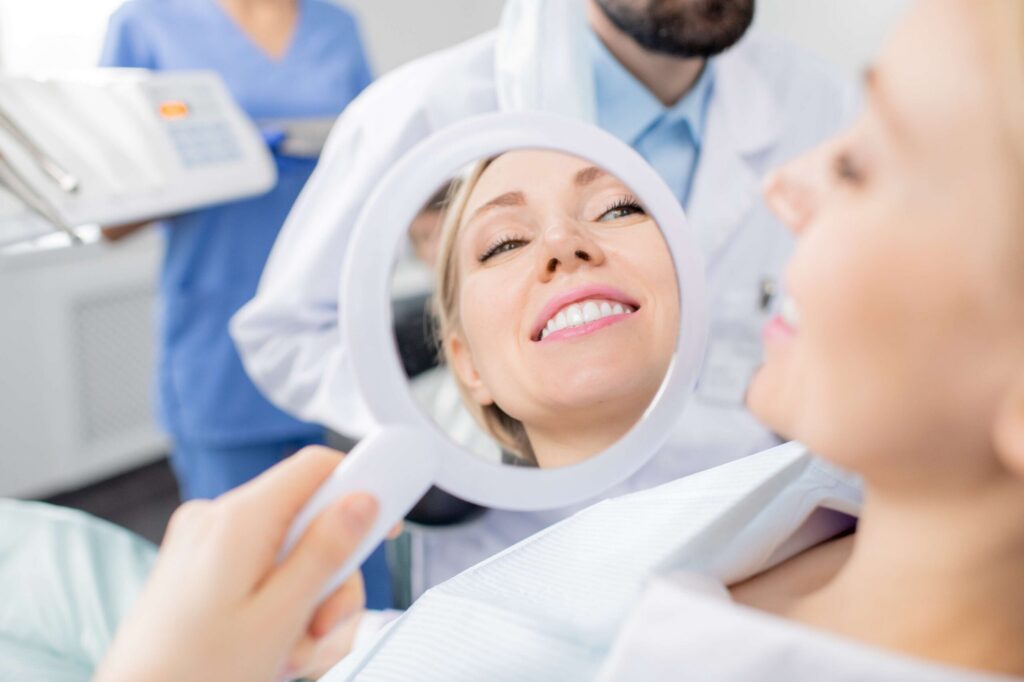
Teeth Whitening Aurora patients consider may help lighten natural tooth enamel affected by everyday stains from coffee, tea, food, tobacco, or age-related colour changes. Whitening works best on natural teeth and does not change the colour of crowns, veneers, fillings, or bridges. In Aurora, a dentist can check for cavities, gum irritation, sensitivity, and existing dental work before whitening. This helps patients understand whether whitening is suitable or whether another cosmetic option may be more appropriate.
Why Teeth Change Colour Over Time
Tooth colour can change slowly, often before patients notice it clearly. Coffee, tea, red wine, dark sauces, tobacco, and normal aging can all affect the shade of natural enamel. Some stains sit on the surface, while others settle deeper into the tooth.
For patients in Aurora, Teeth Whitening Aurora treatment may be discussed when the main concern is tooth colour rather than tooth shape or position. Village Green Dental Center, P.C. helps patients understand what whitening may improve and what it cannot change.
Whitening is not the right choice for every smile. Cavities, gum irritation, sensitivity, worn enamel, and existing dental work may affect timing or results. A dental evaluation helps patients choose a safer and more realistic path.
How Teeth Whitening Works
Teeth whitening uses whitening agents to break down stains in natural enamel. The goal is to lighten the shade of natural teeth. It does not remove tooth structure, move teeth, or repair chips.
Some stains respond better than others. Yellow-toned stains from food, drinks, or aging may respond more noticeably. Gray or brown discoloration, internal staining, or colour changes from trauma may be harder to lighten.
Patients searching for Teeth Whitening in Aurora, IL often want fast results, but safe planning matters. Teeth and gums should be checked first. Whitening products can irritate cavities, exposed roots, or inflamed gums. If dental problems are present, they may need care before whitening begins.
Whitening Does Not Change Crowns or Veneers
One of the most important things to know is that whitening only affects natural tooth enamel. It does not change the colour of porcelain, composite, or other dental materials.
This means dental crowns Aurora restorations, fillings, bridges, and Veneers Aurora treatment will not whiten the same way natural teeth do. If a crown or veneer matches your current tooth colour, whitening nearby natural teeth may make that restoration look darker by comparison.
A dentist can help plan the order of cosmetic treatment. In some cases, whitening may be done before choosing the shade for a new crown or veneer. In other cases, an older restoration may need replacement if shade matching is important.
Professional Whitening and Store-Bought Products
Many patients have tried whitening strips, toothpaste, or online products before asking a dentist. Some over-the-counter products may help with mild surface stains, but they may not fit every mouth well or address deeper colour concerns.
Professional whitening is planned with dental health in mind. A dentist can check for decay, gum issues, sensitivity, exposed roots, and restorations before recommending an option. This can reduce the chance of whitening over areas that need treatment first.
Whitening toothpaste usually removes surface stains but does not deeply bleach enamel. Whitening strips may lighten teeth but can cause uneven results if they do not contact the teeth evenly. Custom or dentist-guided options may offer more controlled whitening for suitable patients.
Sensitivity Before and After Whitening
Tooth sensitivity is a common concern with whitening. Some patients feel temporary sensitivity to cold air, drinks, or brushing. Others may already have sensitive teeth before treatment due to gum recession, enamel wear, cavities, or exposed dentin.
A dental exam can help identify why sensitivity is happening. If there is decay, cracked enamel, gum recession, or worn tooth edges, whitening may need to wait. Your dentist may recommend desensitizing products, changes to brushing habits, or dental treatment before whitening.
Sensitivity does not mean whitening is always unsafe, but it should be discussed. Patients should tell the dental team if cold drinks, sweets, brushing, or breathing in air already cause discomfort.
When Whitening May Not Be the Best Option
Whitening is most useful when the concern is natural tooth colour. It may not be the right choice if the issue is tooth shape, chips, gaps, crowding, or old dental work that does not match.
If front teeth are chipped or uneven, veneers may be discussed. If teeth are crowded or rotated, braces or other orthodontic options may be considered. If a crown is dark or mismatched, whitening will not change it.
For patients searching for a dentist in Aurora, IL provider, the key is identifying the real concern. A patient may say they want whiter teeth but also be bothered by worn edges or uneven spacing. A clear exam helps match the treatment to the concern.
How to Keep Teeth Brighter After Whitening
Whitening results can fade over time because teeth continue to contact staining foods and drinks. Good habits may help maintain a brighter shade longer.
Brushing twice daily, flossing, and keeping regular cleanings can reduce surface buildup. Rinsing with water after coffee, tea, or dark foods may also help. Using a straw for some beverages may reduce contact with front teeth.
Tobacco can stain teeth quickly and may affect gum health. Patients who smoke or use tobacco should know that whitening may not last as long if staining continues. Regular dental visits can help monitor shade, enamel, gum health, and any sensitivity.
Practical Benefits of Whitening When It Fits
Whitening may offer simple cosmetic benefits for suitable patients.
It can lighten natural teeth affected by everyday stains.
It may help the smile look fresher without changing tooth shape.
It can be planned before crowns or veneers for better shade matching.
It may help patients feel more comfortable smiling in photos or conversations.
It can be part of a broader cosmetic plan when timed correctly.
These benefits depend on tooth health, stain type, sensitivity, and existing dental work. A dentist can explain what changes may be realistic.
What Usually Happens at a Whitening Consultation
A whitening consultation often starts with a conversation about your goals. Your dentist may ask what stains bother you, whether you have sensitivity, and whether you have crowns, veneers, fillings, or bonding on visible teeth.
The exam may include checking enamel, gums, cavities, exposed roots, and restorations. Your dentist may discuss whether whitening is suitable now or whether other care should happen first. Shade expectations may also be reviewed so the result feels realistic.
If whitening is recommended, your dentist can explain how the process works, how to manage sensitivity, and how to care for your teeth afterward. Follow-up may be suggested if sensitivity develops or if future cosmetic treatment is planned.
Local Patient Review
“I thought whitening would fix everything, but the visit helped me understand which teeth were natural and which had old dental work. That made the plan much clearer.”
FAQs About Teeth Whitening in Aurora
Does teeth whitening work on all stains?
Whitening works best on many natural enamel stains, especially yellow-toned discoloration. Deep internal stains, trauma-related colour changes, or gray tones may respond less predictably.
Will whitening change my crowns or veneers?
No. Whitening does not change the colour of crowns, veneers, fillings, or bridges. Your dentist can help plan shade matching if restorations are visible.
Can whitening cause sensitivity?
Yes, some patients notice temporary sensitivity during or after whitening. A dental exam can help check for cavities, exposed roots, or enamel wear before treatment.
Should I whiten before getting a crown?
In many cases, whitening before a visible crown may help with shade selection. Your dentist can explain the best order based on your treatment plan.
Is professional whitening different from whitening toothpaste?
Whitening toothpaste mainly helps remove surface stains. Professional whitening is designed to lighten natural enamel more directly for suitable patients.
How long do whitening results last?
Results vary based on diet, oral hygiene, tobacco use, enamel, and maintenance habits. Coffee, tea, wine, and tobacco may cause stains to return sooner.
What if whitening is not right for me?
If whitening is not suitable, your dentist may discuss veneers, bonding, replacement of old restorations, or other options depending on the concern.
A Smarter Way to Plan a Brighter Smile
Whitening can be a helpful cosmetic option when tooth colour is the main concern, but planning matters. For patients in Aurora comparing whitening, veneers, and restorations, Village Green Dental Center, P.C. can help explain what may fit your teeth, gums, and long-term smile goals.